
A step-by-step guide to start my business
Welcome to the exciting world of entrepreneurship, where every step counts in realizing your business dreams!
Tuesday, Feb 20, 2024
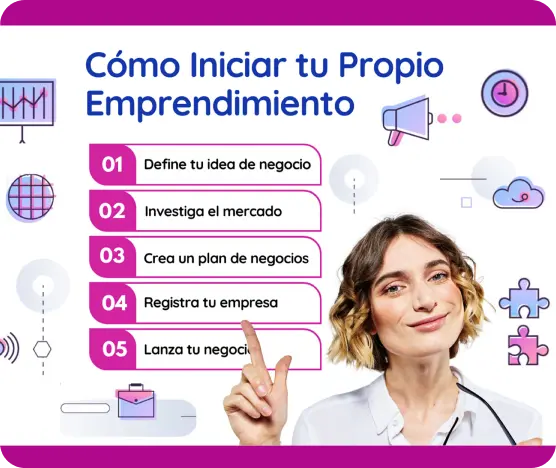
Starting a business is taking the first step towards realizing your own vision. It involves turning an idea into action, overcoming challenges, and working with determination to build a successful business. From conceiving an innovative idea to taking it to market, the process encompasses strategic planning, market research, obtaining financing and developing a strong brand identity. This entrepreneurial journey requires passion, creativity and resilience to overcome obstacles and achieve success. In this step-by-step guide, I will walk you through the process of starting your own venture, from the conception of the idea to the launch on the market. and beyond. You will discover the essential fundamentals, effective strategies and practical tips to turn your vision into reality and build a successful and sustainable business. Get ready to immerse yourself in the exciting world of entrepreneurship, where creativity, innovation and determination are your best bets. allies. Let's start this journey together towards business success!
The basis of every great venture is a solid and creative idea that solves a specific problem in the market.
-
1. Define your business idea:
Defining a business idea is a crucial process that involves identifying a market opportunity and developing a unique value proposition. Here are some steps to help you define your business idea effectively:
- Identify your Passions and Skills: Reflect on your personal interests, skills, and professional experience. What are you passionate about? In which areas do you have experience or knowledge? Your passions and skills can be the starting point for generating business ideas.
- Find a Solution to a Problem: Identify a problem or need in the market and develop an innovative and effective solution to solve it. Your business idea should offer a unique and differentiating value that meets the needs of your customers more efficiently or effectively than existing solutions.
- Define your Value Proposition: Your value proposition is what makes your business unique and attractive to your customers. Clearly define what benefits or advantages your product or service offers, why it is relevant to your target audience, and how it differs from the competition.
-
2. Conduct market research:
Before launching your business, conduct market research! It's like using a map before an adventure. It helps you understand the terrain, find treasures, and avoid traps. You'll discover who your customers are, what they need, and how they behave. You will analyze your competitors to stand out. You will also assess whether your treasure (your product or service) is valuable to the market. In summary, conducting market research guides, protects, and gives you an advantage. It is the first exciting step towards success in your entrepreneurial adventure!
-
3. Create a business plan:
A business plan is like your company's treasure map, guiding you on an exciting journey to success. It is a strategic document that details your business idea, how you will execute it, and how you will grow it. It's like a flight plan for your business, helping you visualize your goals, identify obstacles, and chart the path to success. From defining your unique value proposition to calculating your financial projections, a good business plan prepares you to face any challenge in your quest for business success. Here is an 8-step guide to creating a business plan and taking your entrepreneurial idea to the next level:
- Executive Summary: Start with an exciting overview of your business. Describe your idea, the market you are targeting, your main objectives, and why your business will be successful.
- Business Description: Detail your business idea in depth. Explain what products or services you will offer, who your customers will be, and what needs they will meet in the market.
- Market Analysis: Research your target market. Analyze your competition, identify market trends, and understand the needs and preferences of your potential customers.
- Marketing Strategy: Develop a solid marketing strategy. Define how you will promote your business, how you will reach your customers, and how you will differentiate your offering from the competition.
- Product Design and Development: Detail the process of designing and developing your products or services. Describe how the production stages will be carried out and ensure high quality standards are maintained.
- Operational Plan: Specify how your business will be run on a day-to-day basis. Define your organizational structure, team roles and responsibilities, and key operational processes.
- Financial Analysis: Perform detailed financial projections. Calculate your initial costs, expected revenue, breakeven point, and long-term profitability potential.
- Implementation and Control: Finally, detail how you would implement your business plan and monitor its progress. Set milestones and performance metrics to measure success and adjust your plan as needed.
-
4. Register your company:
Consider all legal aspects when starting your business. This way, you don't have to worry about someone taking your great idea or having legal issues with your brand. A list of procedures you might consider includes:
- Business structure
- Business name
- Register your business
- Taxes according to the business type
- Permits (if needed)
- Operating license (if needed)
- Necessary bank account
- Trademarks, copyrights, or patents
-
5. Launch your business:
Are you ready to launch your brand? Here are some key steps to do it:
- Define your Brand Strategy: Before launching your brand, make sure you have a clear understanding of what it represents. Define your unique value proposition, your target audience, and your brand message.
- Create an Impactful Visual Identity: Design a logo, select colors, and fonts that represent your brand's personality. Ensure that your visual identity is consistent across all communication channels.
- Develop your Online Presence: Create an attractive website that showcases your brand and your products or services. It's also important to have a presence on relevant social media for your audience.
- Generate Buzz: Before the official launch, create anticipation and excitement among your audience. Use social media, emails, and marketing campaigns to build up to the launch of your brand.
- Organize a Launch Event: Consider organizing a launch event to introduce your brand to the public. It can be an online or in-person event, depending on your resources and target audience.
- Offer Special Incentives: To encourage people to try your brand, consider offering special promotions or exclusive discounts during the launch.
- Get Feedback and Adjust: After the launch, collect feedback from your customers and followers. Use this information to make adjustments and improvements to your brand and products.
- Maintain Momentum: After the launch, continue to promote your brand and generate relevant content to keep your audience interested in the long term.
With these steps, you will be ready to launch your brand successfully and stand out in its respective field. Good luck!